Cognos Analytics
I managed and contributed individually new feature integrations, design quality and consistency, defining product experience based roadmaps, facilitated design workshops and drove product design language adoption (Carbon) for IBM's Cognos Analytics.
Company
IBM
Role
Design Leadership Senior UX Designer
Team Size
20+ Designers and Researchers
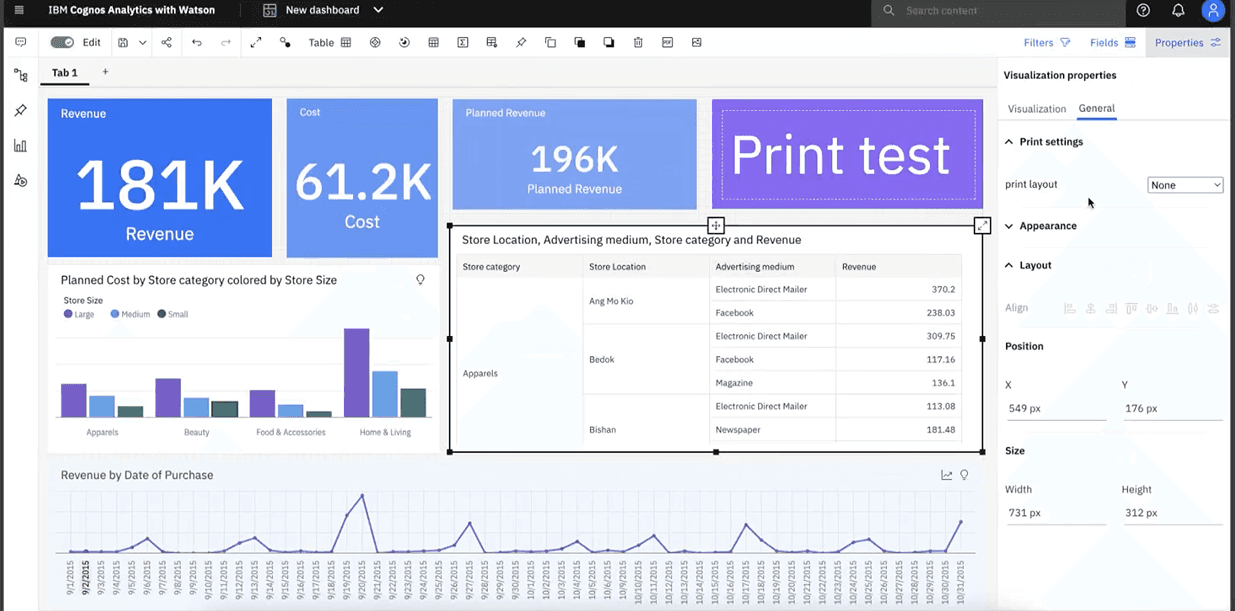
Context: Modernize a legacy product by supporting better integration with other platforms and improve users quality of life.
As the Senior UX Designer, I set the direction for improving the end-to-end user experience across the Cognos Analytics platform, partnering closely with senior stakeholders to align design priorities with product strategy and business goals. I worked across design, research, product, and engineering to drive high-impact experiences, leading design for new capabilities while evolving and scaling core features.
I was accountable for design quality and coherence across the product ecosystem. I established design standards, led critiques and reviews, and facilitated design share sessions to ensure consistency at scale. When deeper alignment or exploration was required, I led design thinking workshops that brought executives and delivery teams together, using collaborative problem-solving to unlock clarity, creativity, and momentum.
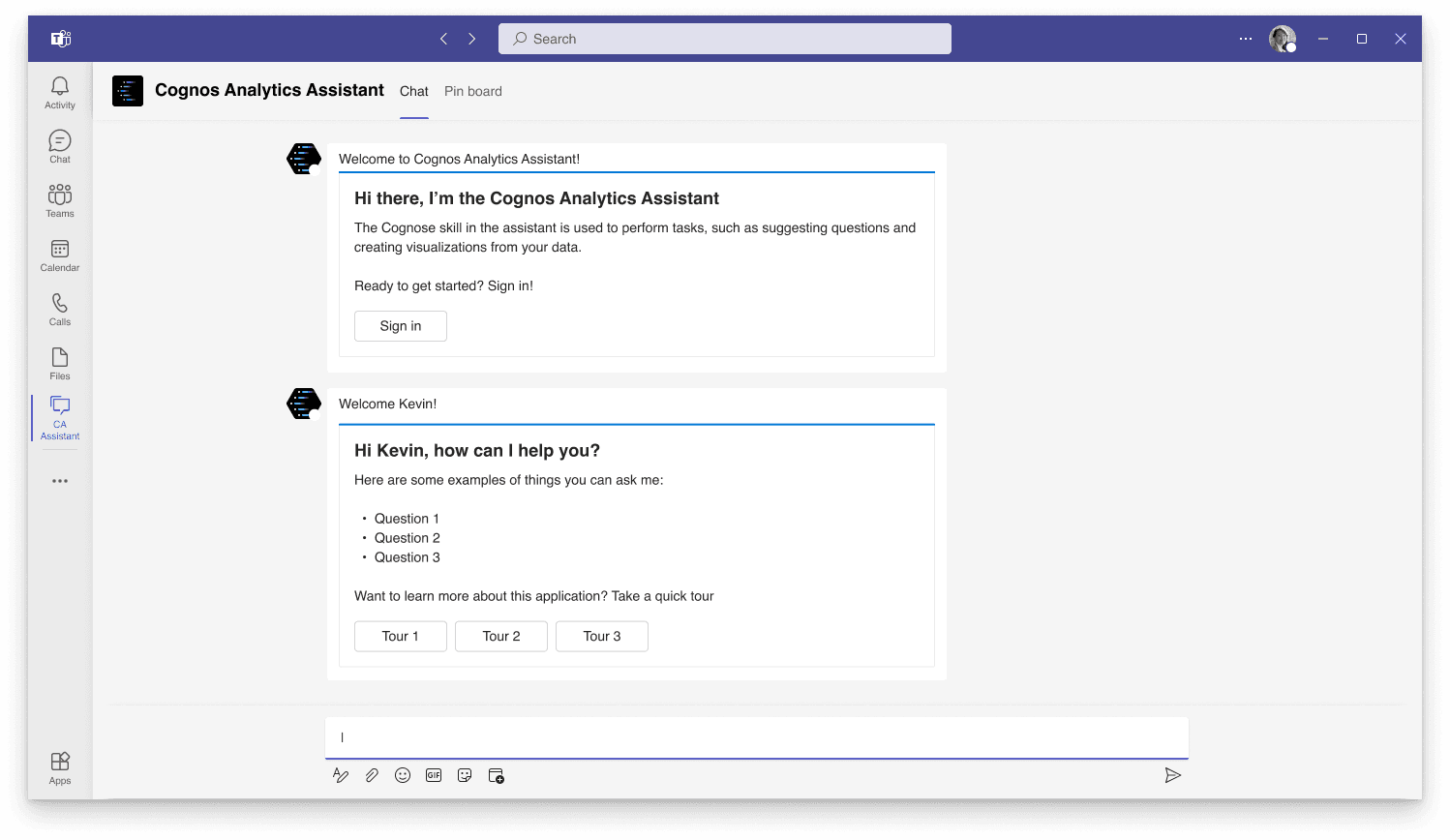
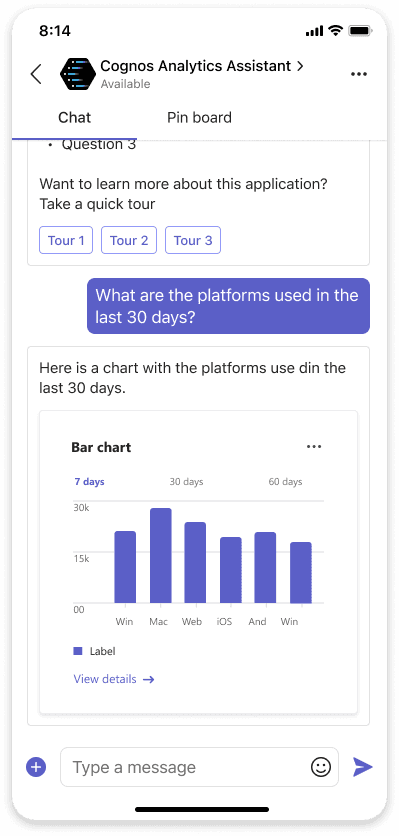
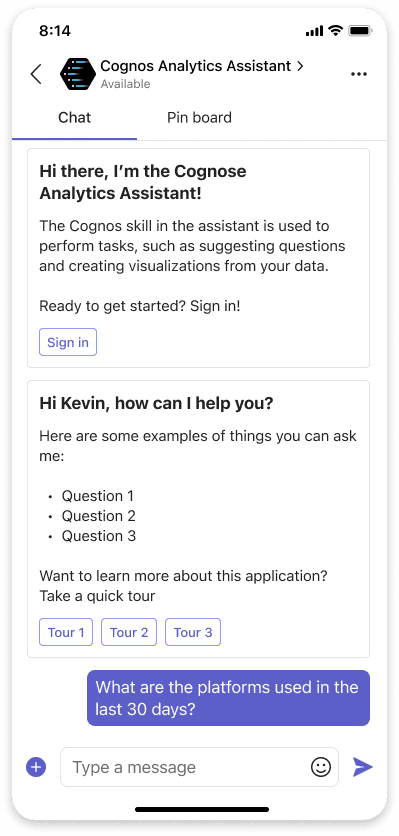
Outcome 01: Microsoft Teams Integration — access cognos reporting right in teams
User research revealed a key pain point: customers needed faster access to Cognos data and an easy way to share insights outside the Cognos mobile app. In response, we designed a Teams plugin that enables users to ask questions about their Cognos data and receive answers directly within Microsoft Teams.
The experience also empowers administrators to configure the Cognos integration, manage permissions, and maintain enterprise-grade security, bringing trusted analytics into the flow of everyday work.
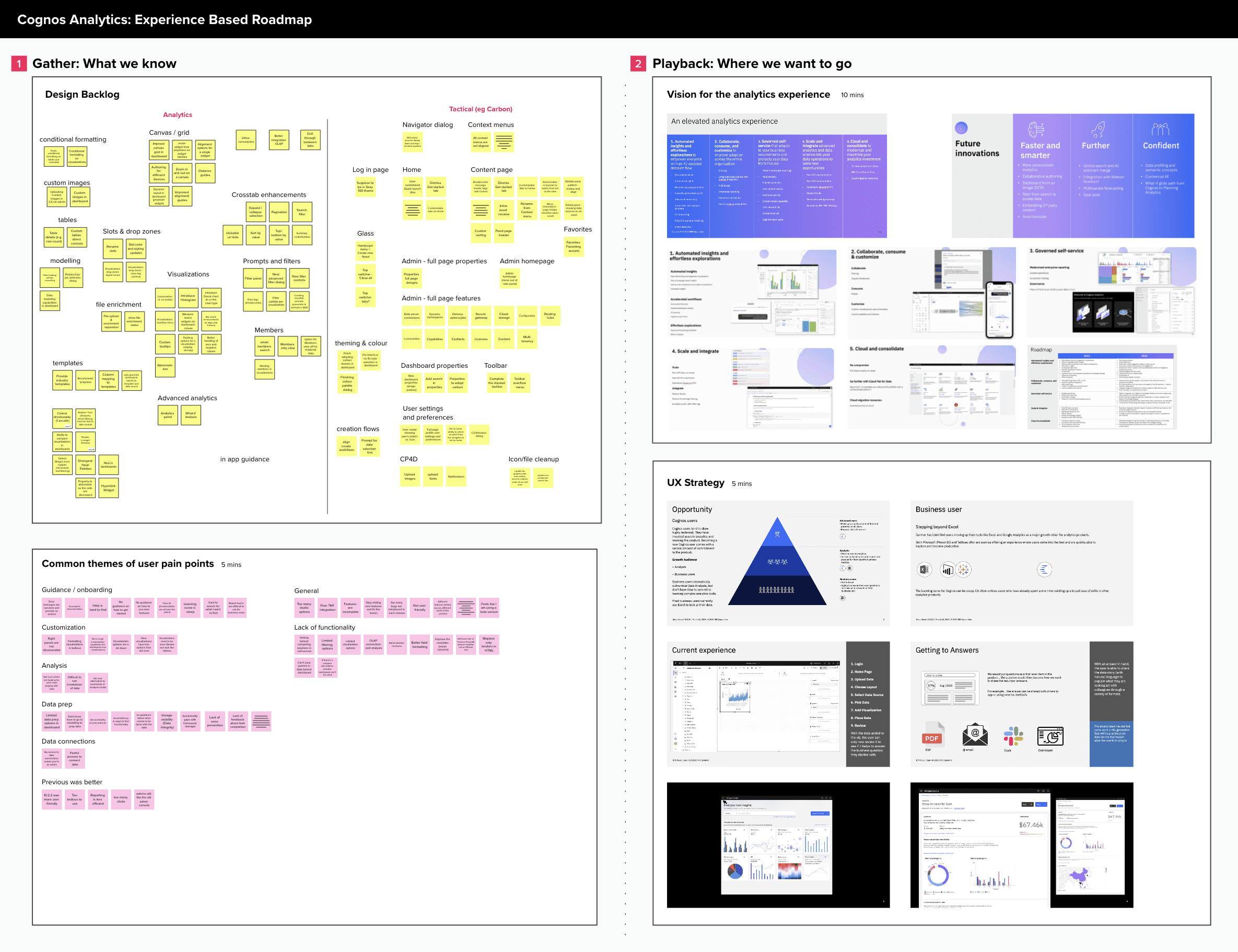
Outcome 02: Experience Based Roadmap — strategic prioritization of future experiences
Supporting a legacy product introduced significant complexity, from deciding which new features to invest in, to modernizing existing capabilities, balancing stakeholder workloads, and aligning delivery timelines. It became clear that the team needed more than a feature backlog; we needed an experience-driven roadmap that aligned business priorities with meaningful customer outcomes.
I led and facilitated a series of design planning workshops with leaders across design, research, engineering, and product management. Together, we surfaced key user pain points, aligned on the product vision, and defined a shared UX strategy. Each team contributed priorities from their backlogs, enabling us to make informed, intentional trade-offs.
The result was a unified, strategically aligned team, clearer priorities, and a more predictable release cadence, streamlining delivery while measurably improving the quality and consistency of the user experience.
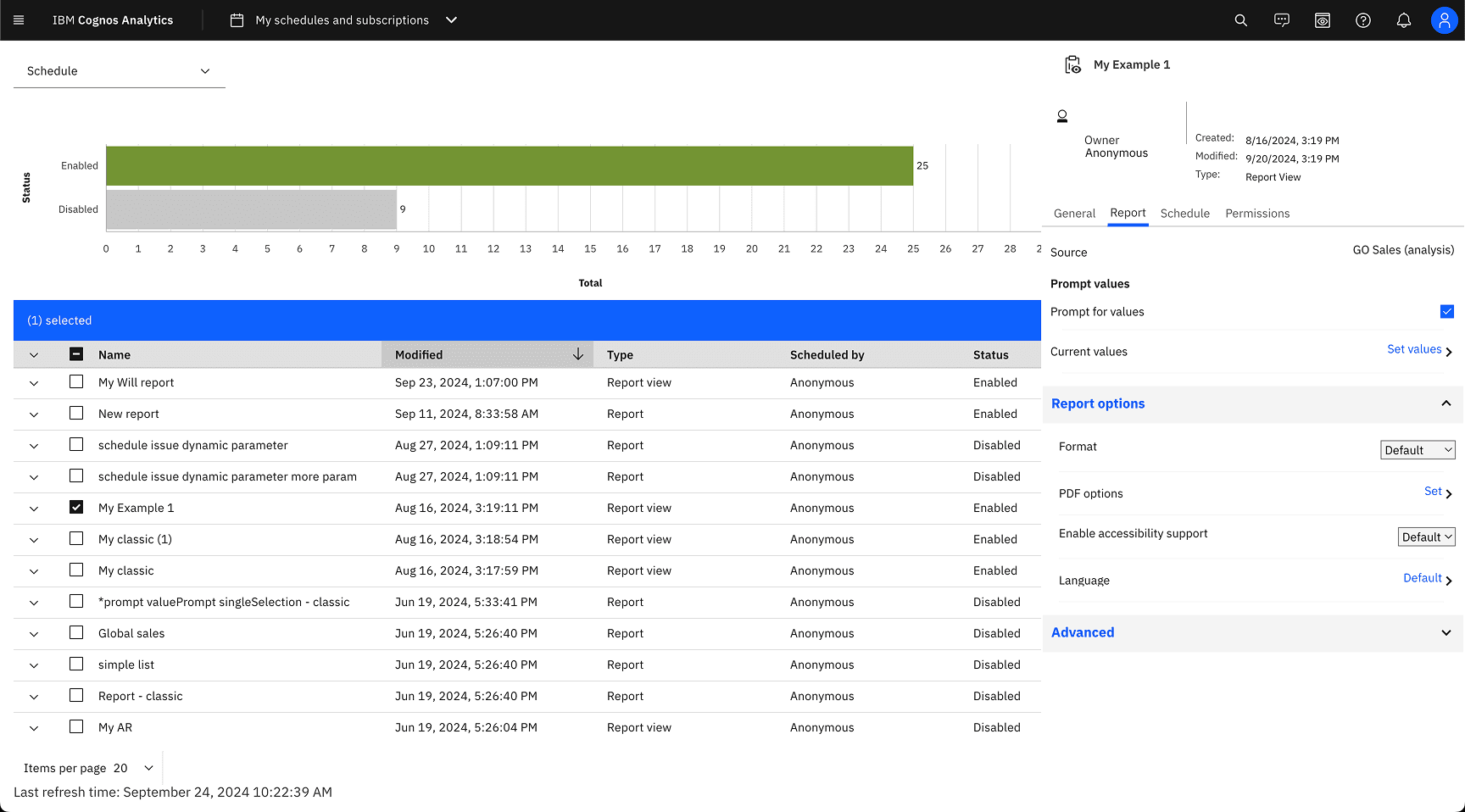
Outcome 03: Data Brushing and CSV Generation — seamless sharing of custom dashboards and editing in Excel
I led the redesign of a legacy feature, Data Brushing, to modernize how users refine, prepare, and operationalize their data for reporting. While the feature was powerful, previous iterations required extensive manual setup, creating friction in what should have been a streamlined workflow.
Our goal was to simplify and automate the experience without sacrificing control. The redesigned solution enabled users to automate workflows using MDX scripts, generate CSV outputs for editing in Excel, and gain full visibility into past and upcoming scheduled reports.
The result was a more efficient, scalable experience that reduced manual effort while giving users greater flexibility and transparency in how their data is prepared and used.